A car free research project for Volvo
A car free research project for Volvo
Client
Research conducted with real client as part of
Services
Research
Volvo
Research conducted with real client as part of
Hyper Island MA
Services
Research
Strategy
The Question
How can we make families in Berlin depend less on car ownership?
Volvo's innovation department briefed our team to go to street-corner level - to understand the real mobility challenges facing urban citizens and identify where a mobility company could play a meaningful role.
![]()
What We Found
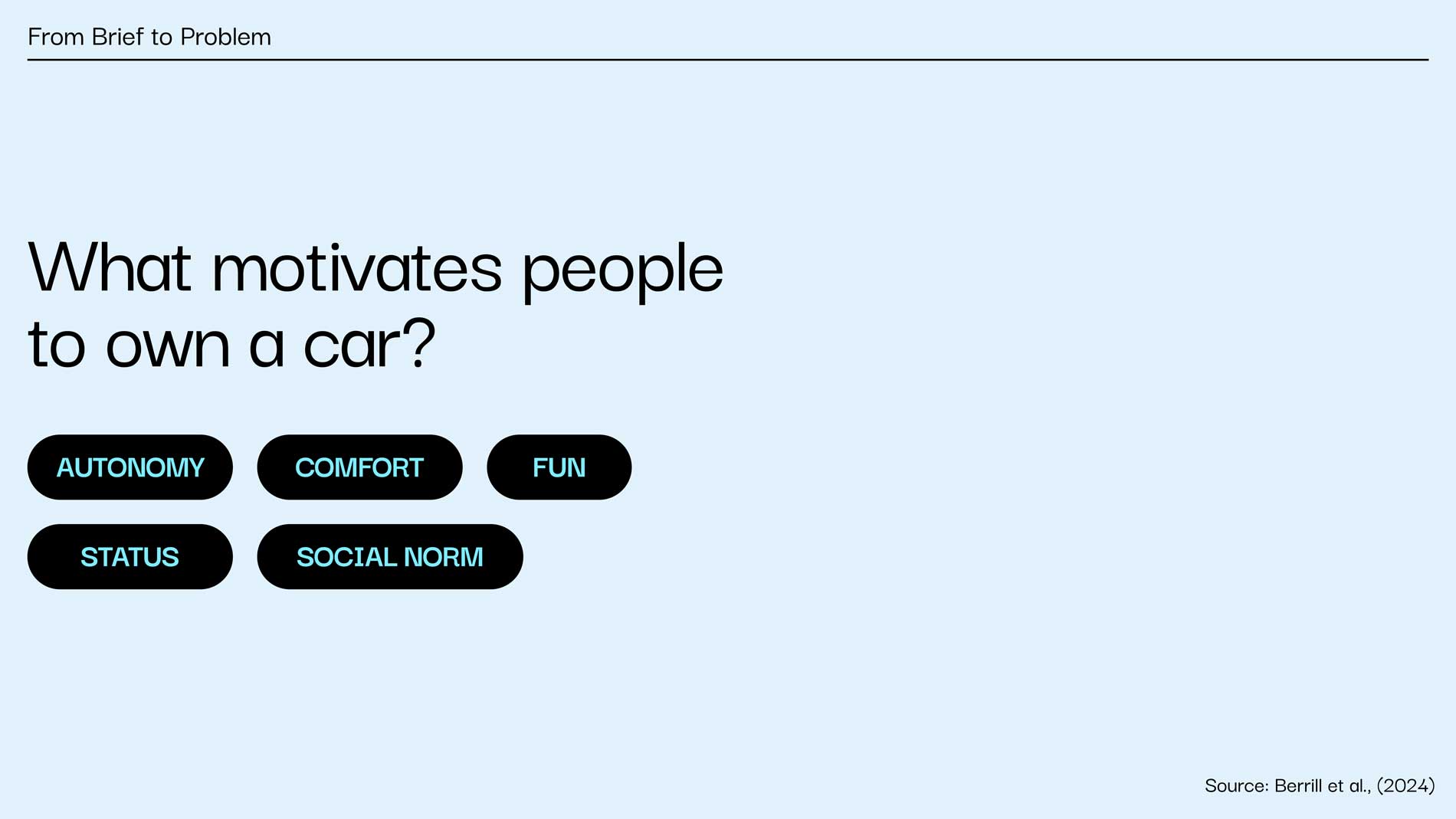
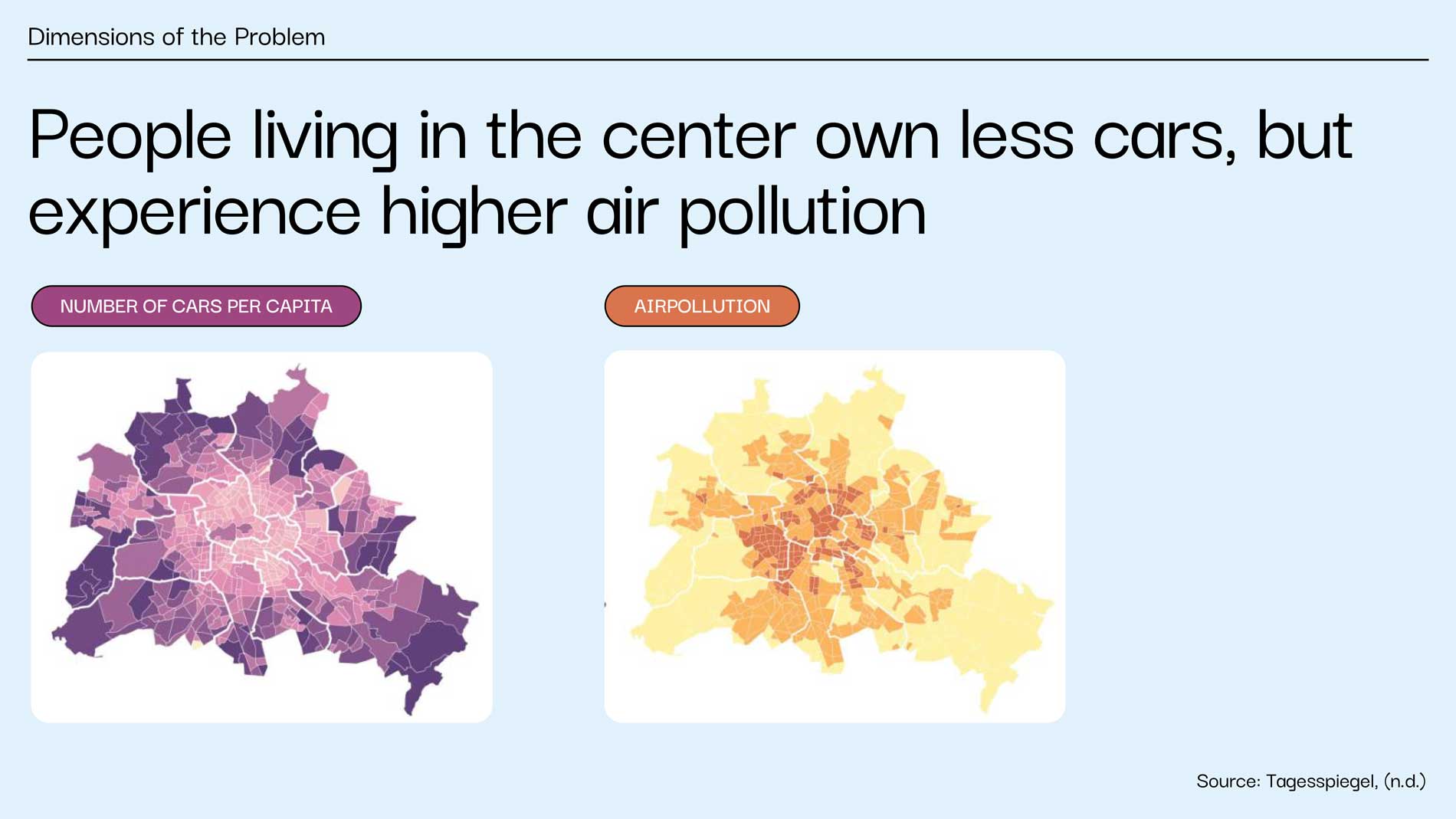
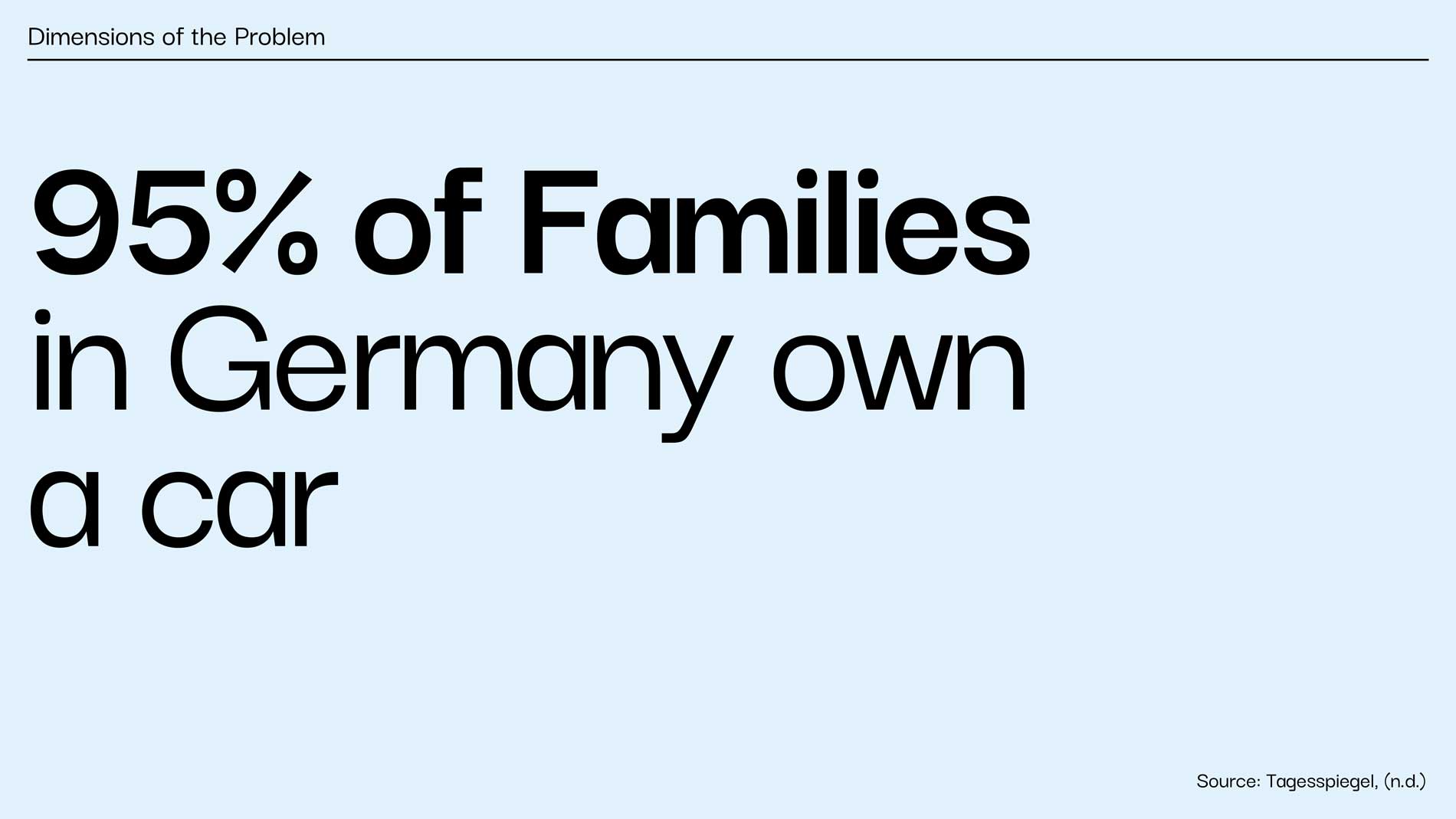
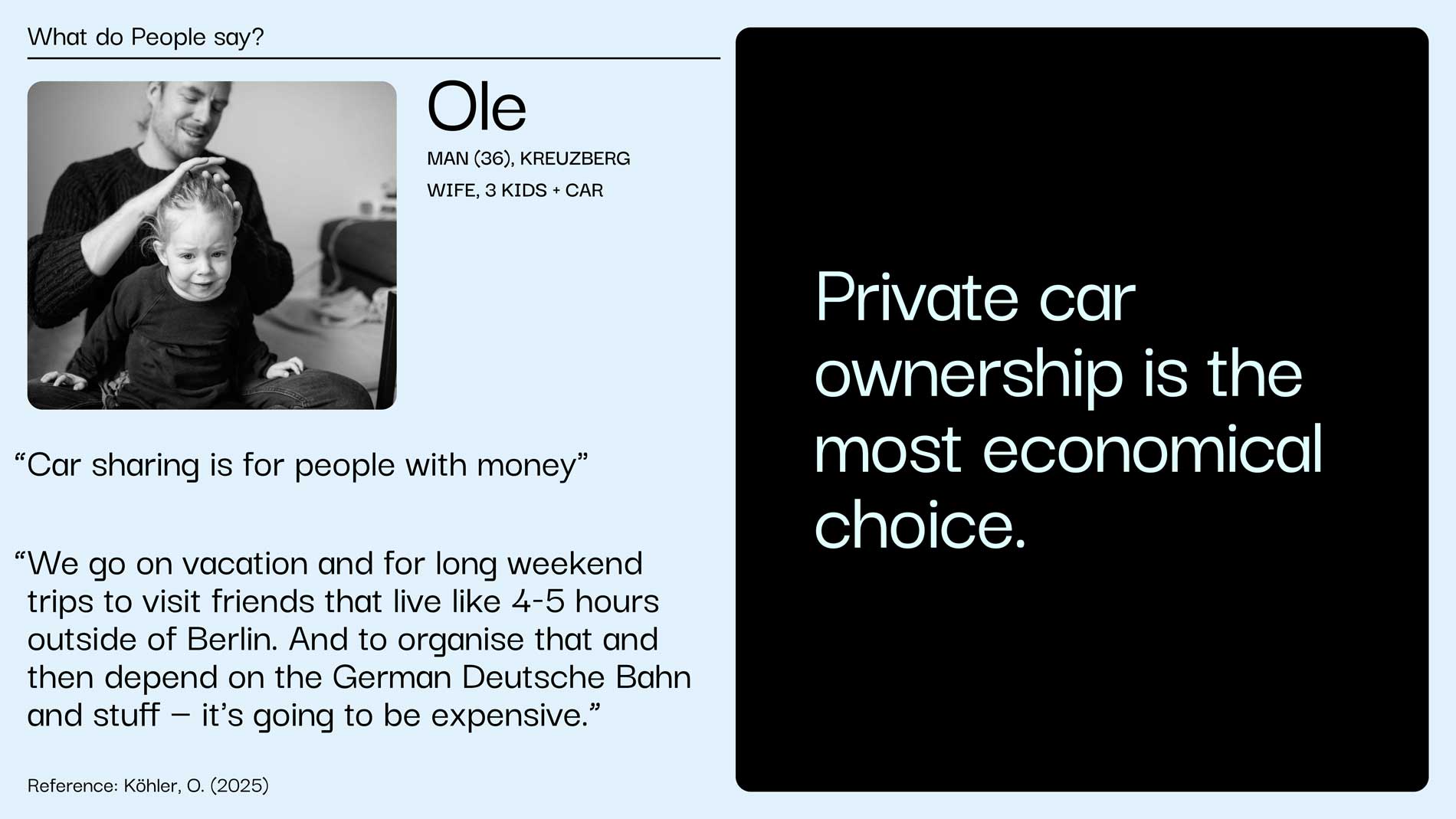
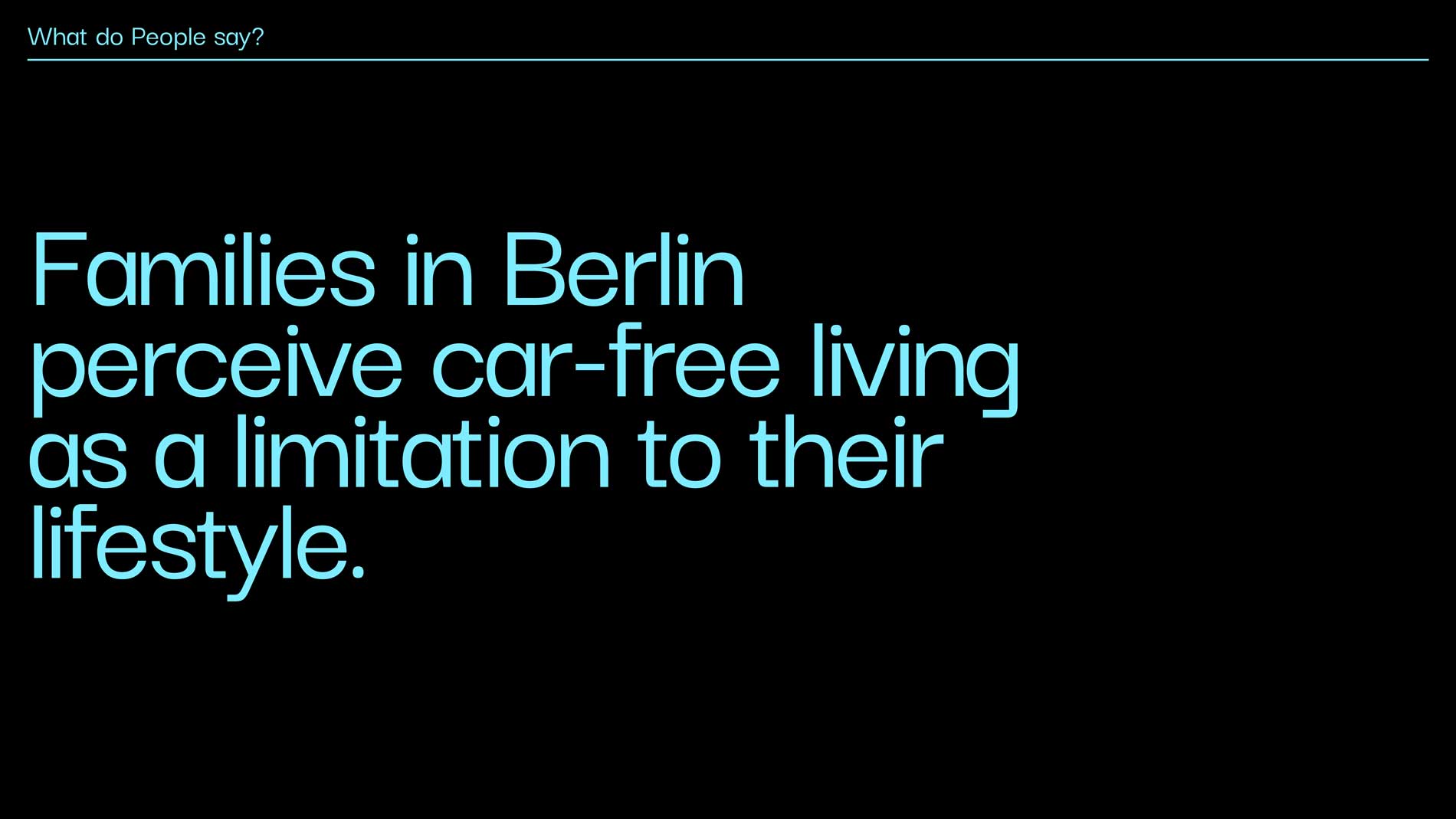
Through user interviews and secondary research, we discovered that the barrier to car-free living isn't primarily practical, it's emotional and economic. Families in Berlin don't own cars because they need them for every journey. They own them because a car represents freedom, the cheapest option for family travel, and an everyday comfort that makes life feel easier and more enjoyable. Car-free living felt like a downgrade, not a choice.
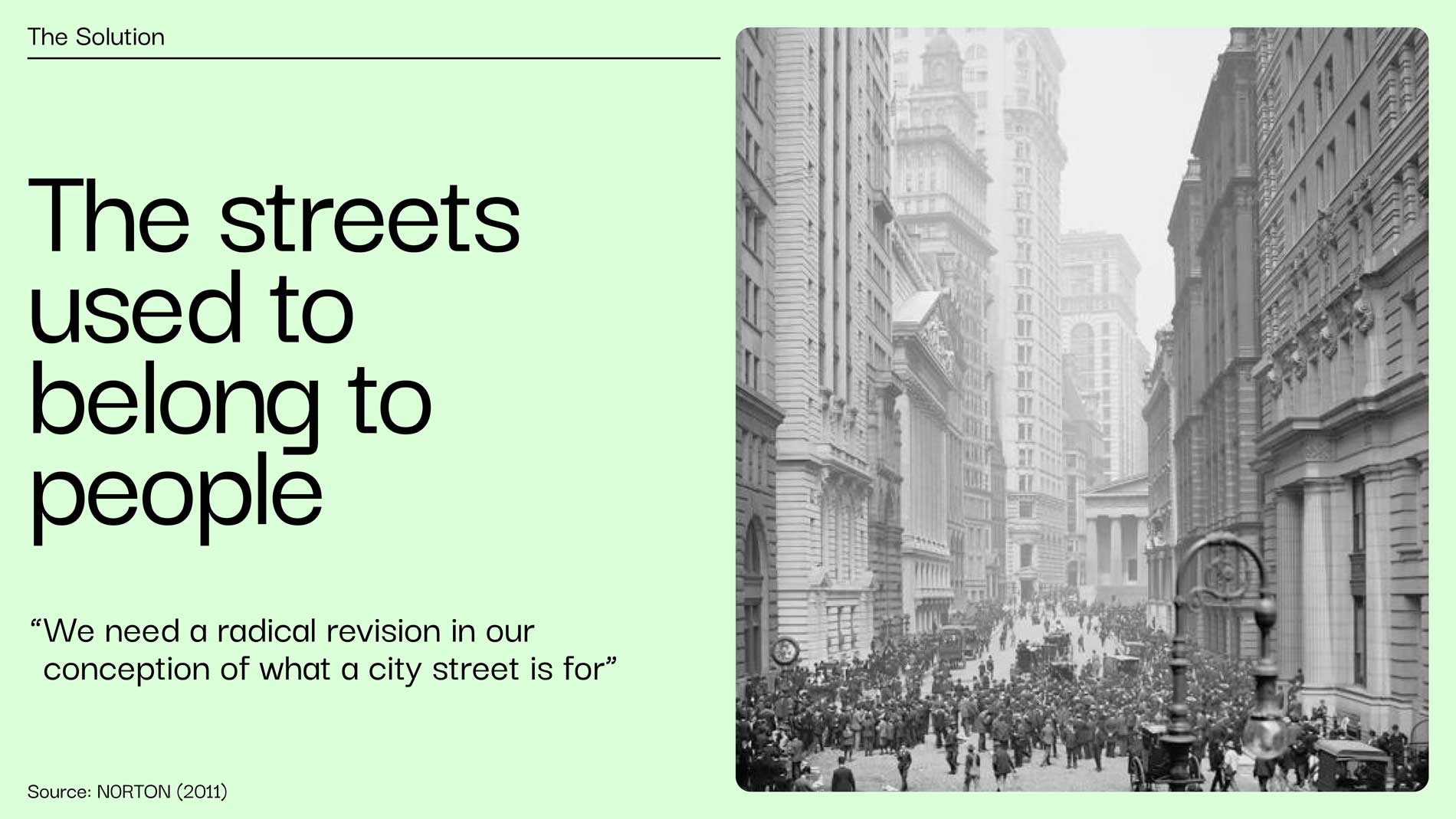
This insight reframed the design challenge entirely: the solution couldn't just replace the car. It had to match or exceed what the car felt like to own.
The Approach
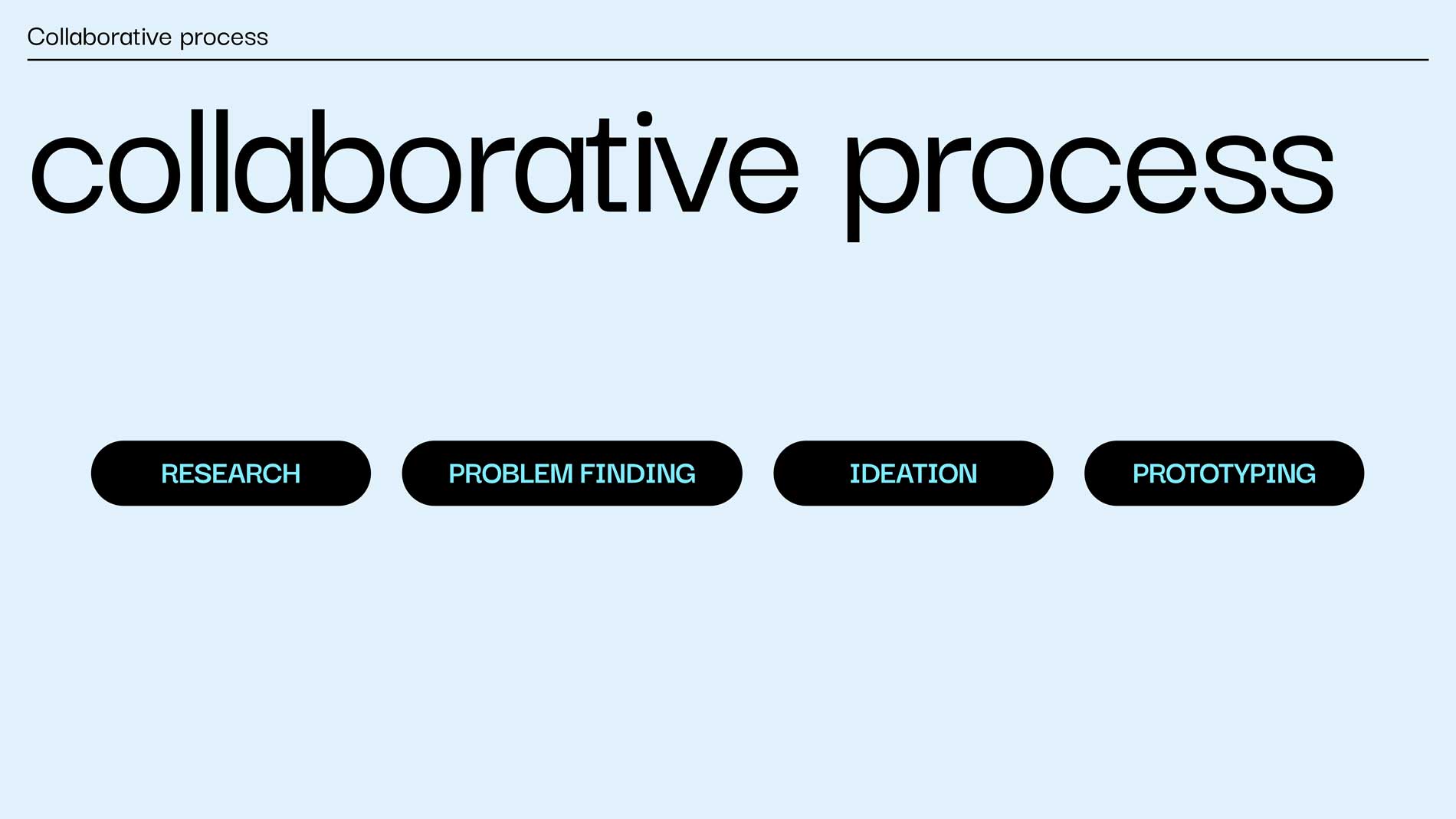
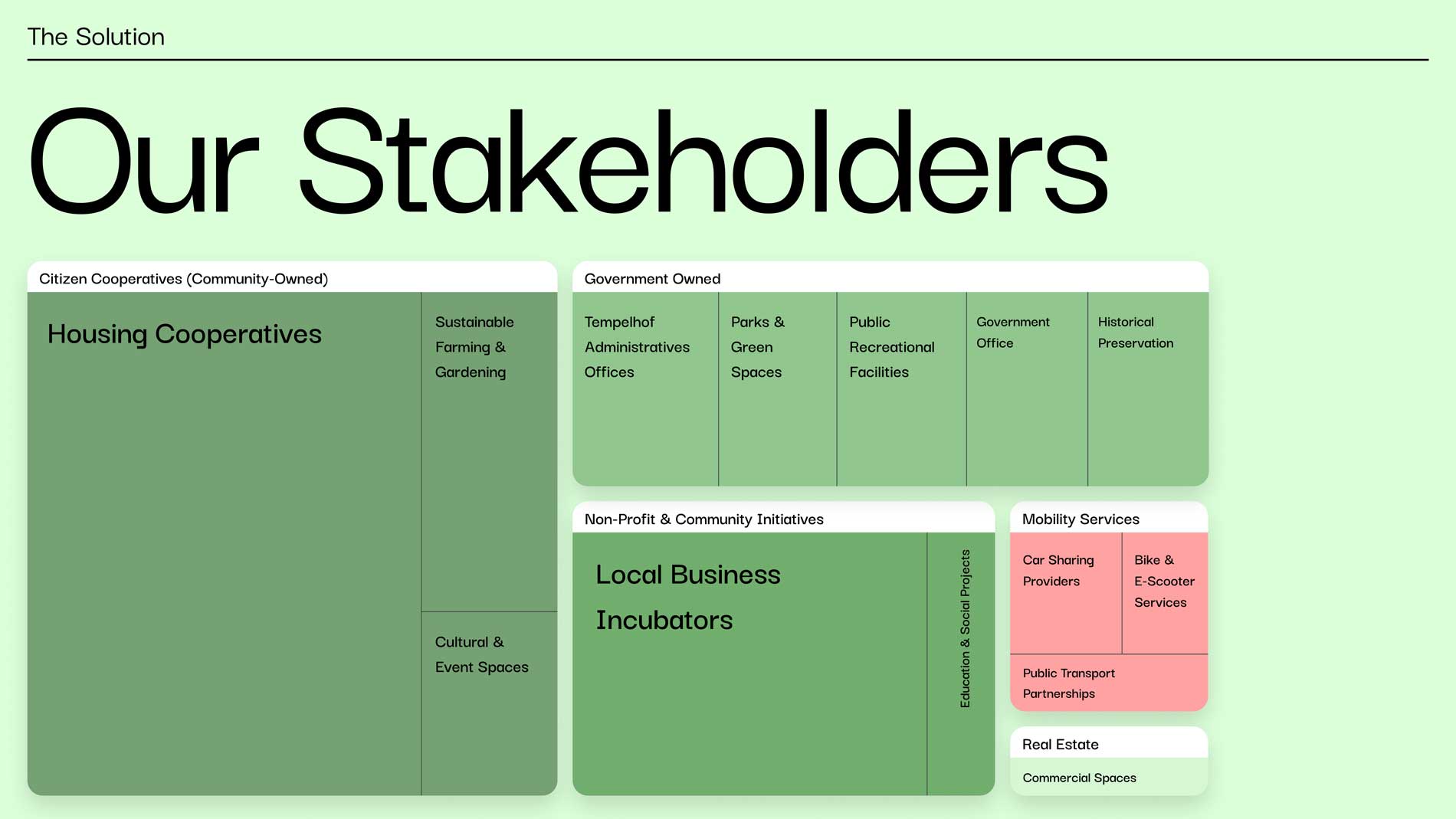
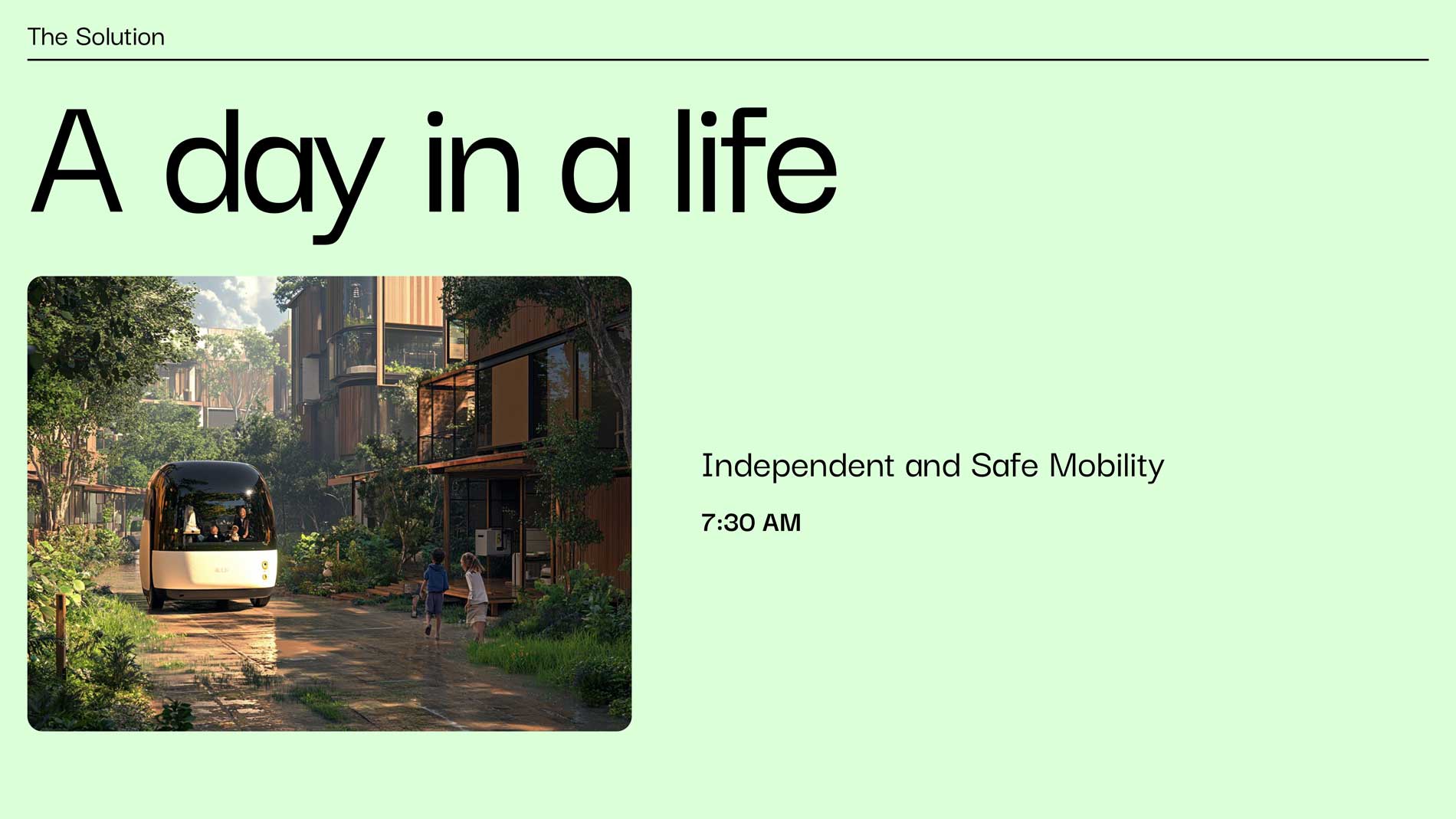
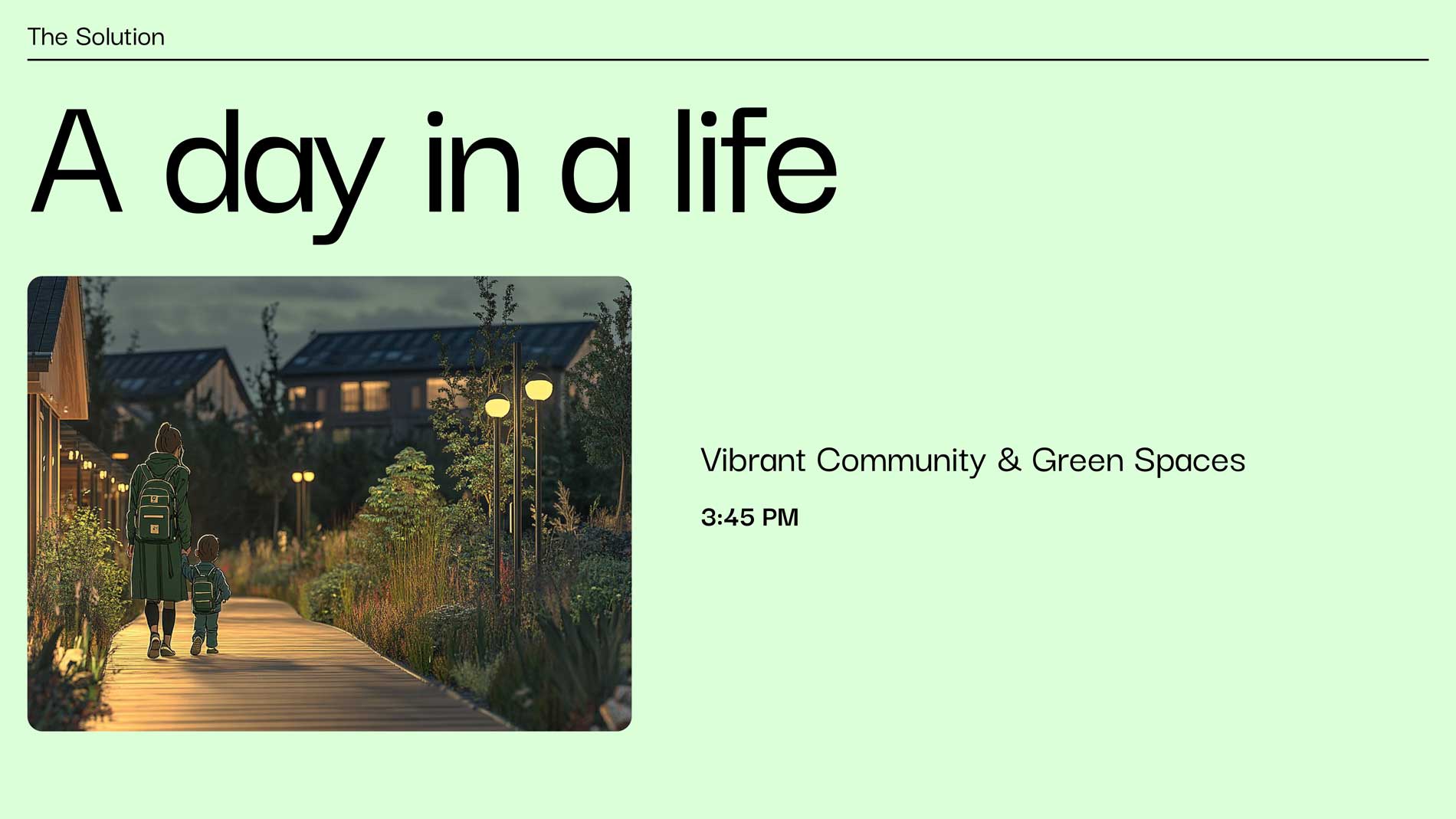
We used systems mapping to understand the full ecosystem of stakeholders, from housing cooperatives and government bodies to mobility services and local businesses, and identified where Volvo could partner rather than compete. Journey mapping helped us trace a day in the life of a Berlin family navigating the city without a car, revealing the specific moments where friction was highest.
How can we make families in Berlin depend less on car ownership?
Volvo's innovation department briefed our team to go to street-corner level - to understand the real mobility challenges facing urban citizens and identify where a mobility company could play a meaningful role.
What We Found
Through user interviews and secondary research, we discovered that the barrier to car-free living isn't primarily practical, it's emotional and economic. Families in Berlin don't own cars because they need them for every journey. They own them because a car represents freedom, the cheapest option for family travel, and an everyday comfort that makes life feel easier and more enjoyable. Car-free living felt like a downgrade, not a choice.
This insight reframed the design challenge entirely: the solution couldn't just replace the car. It had to match or exceed what the car felt like to own.
The Approach
We used systems mapping to understand the full ecosystem of stakeholders, from housing cooperatives and government bodies to mobility services and local businesses, and identified where Volvo could partner rather than compete. Journey mapping helped us trace a day in the life of a Berlin family navigating the city without a car, revealing the specific moments where friction was highest.



The Concept
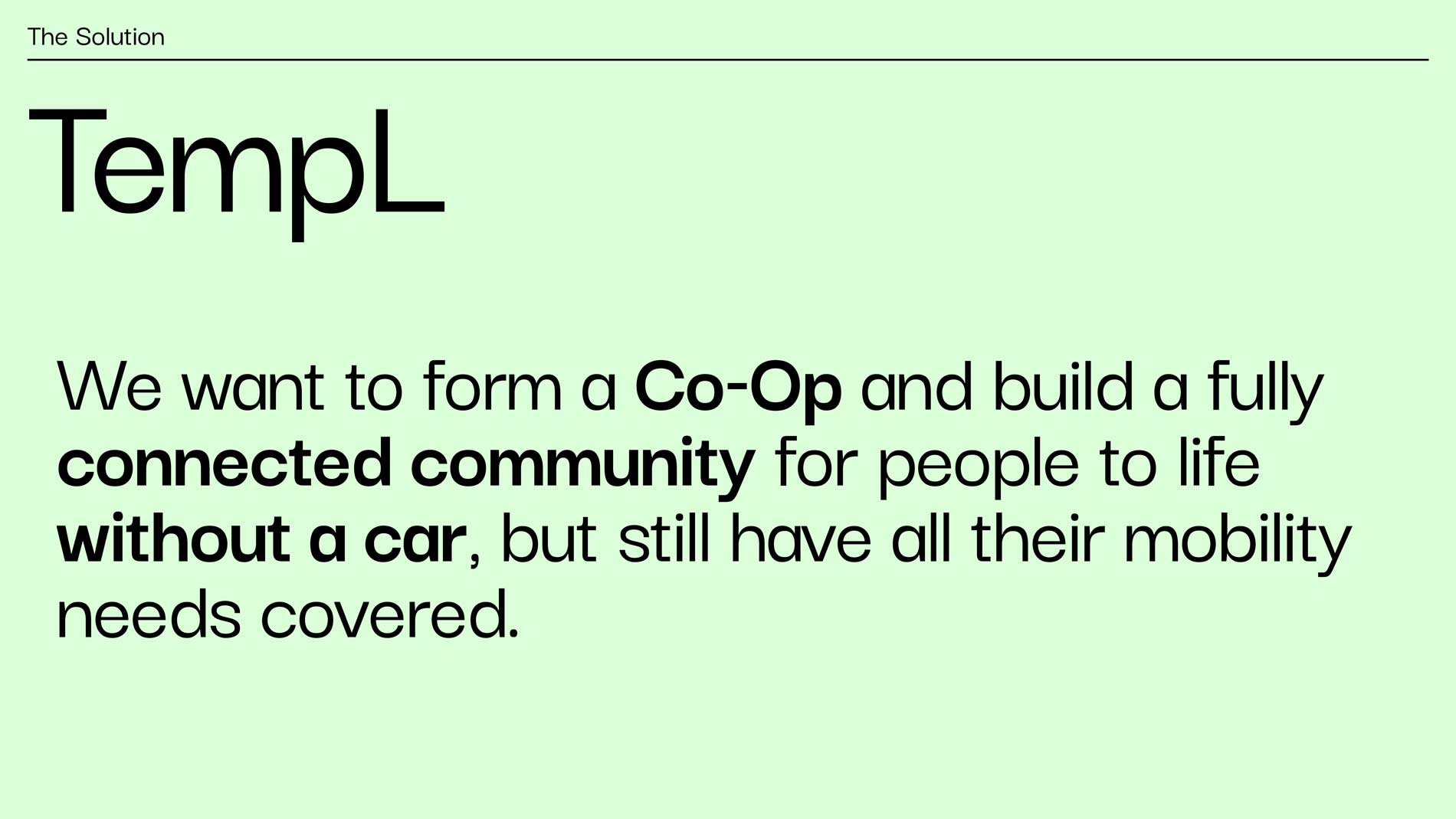
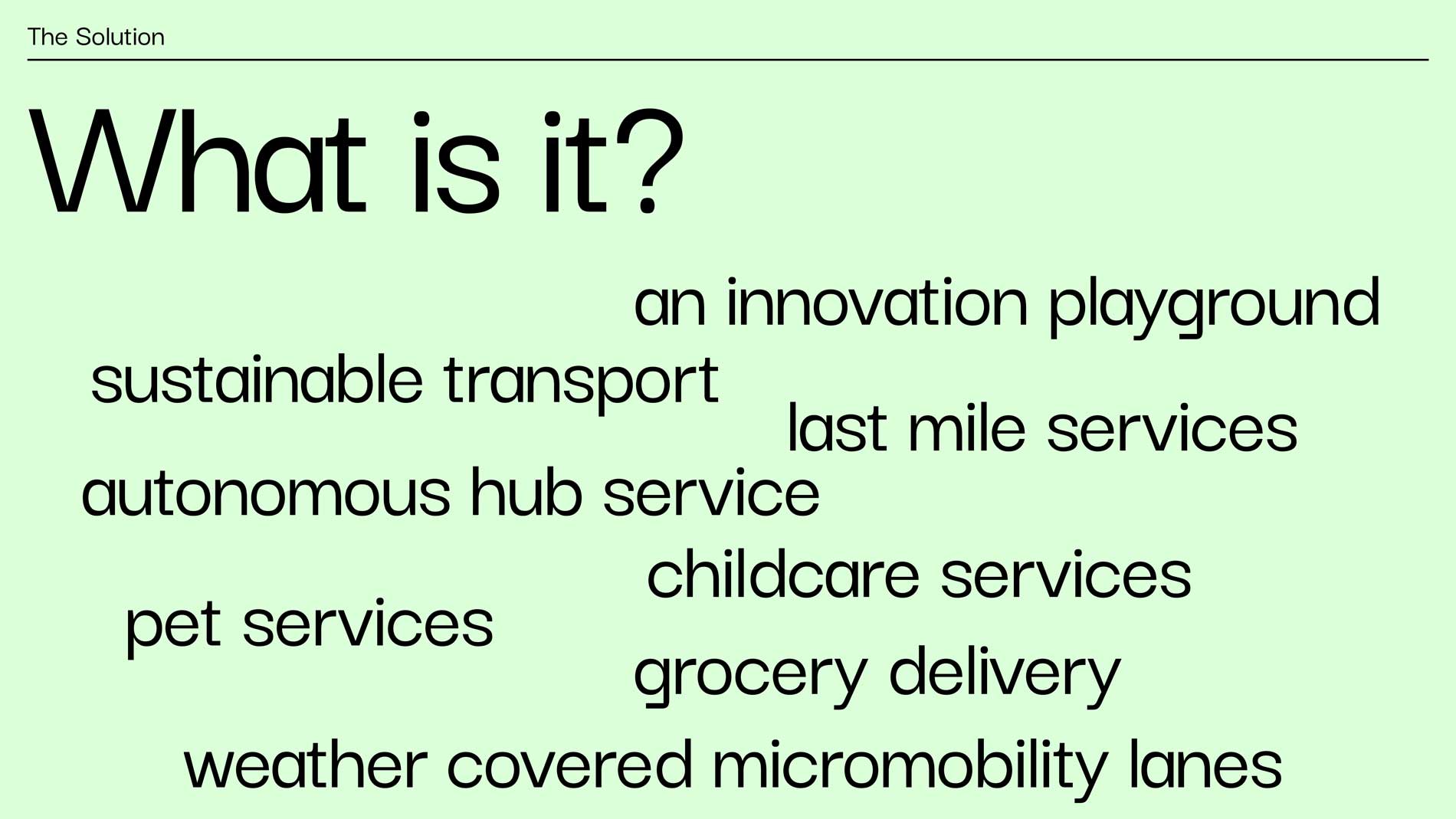
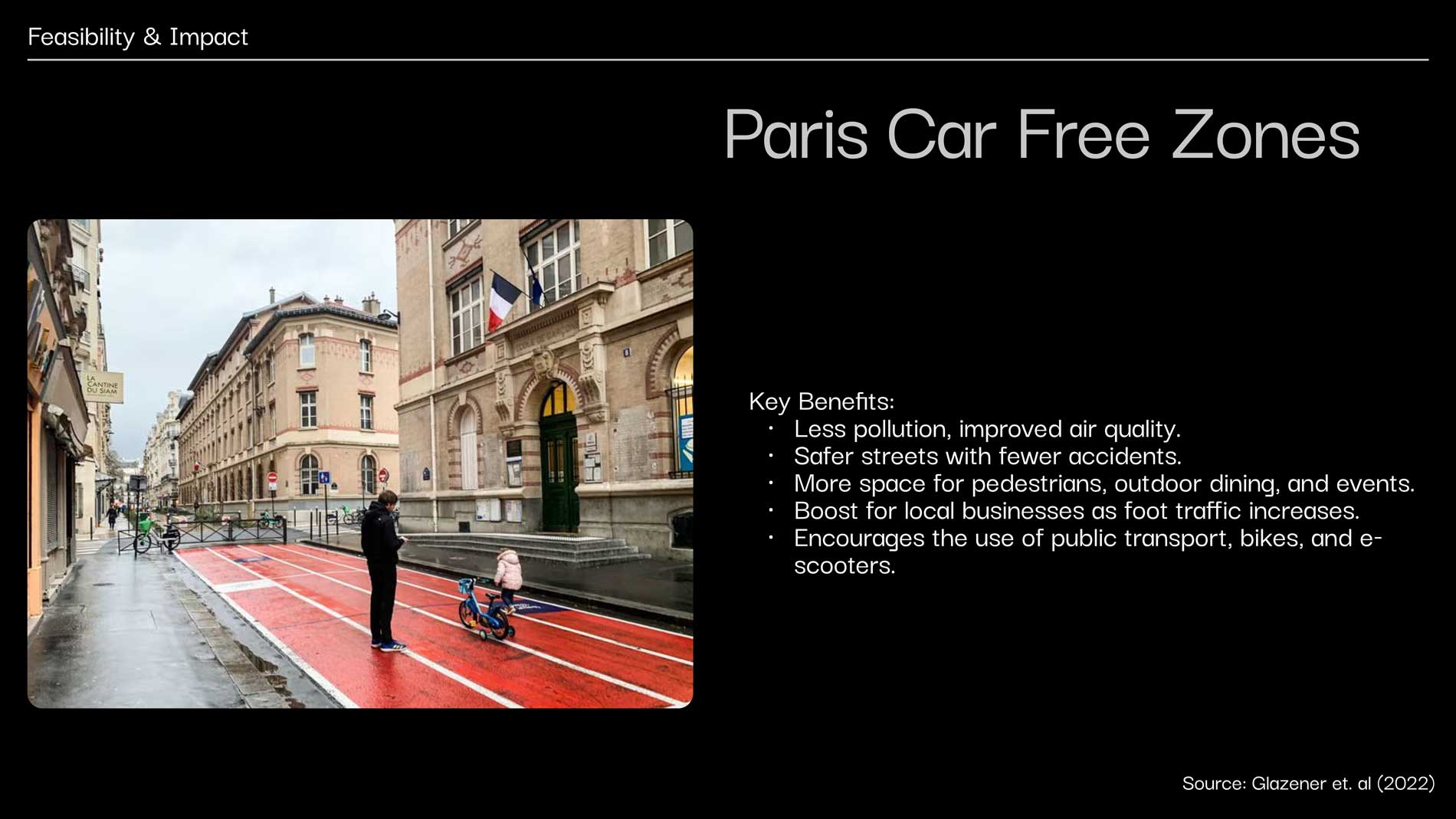
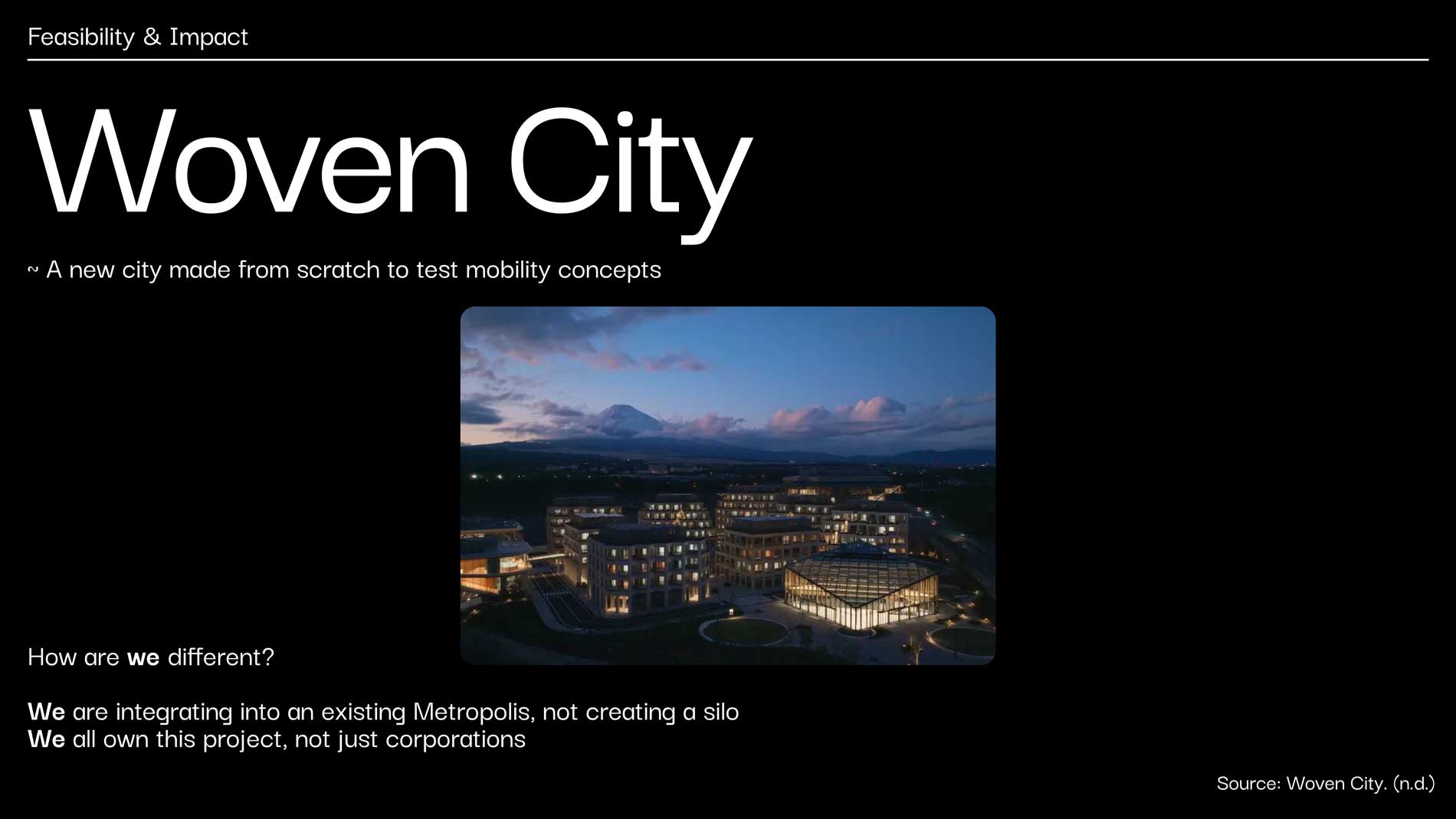
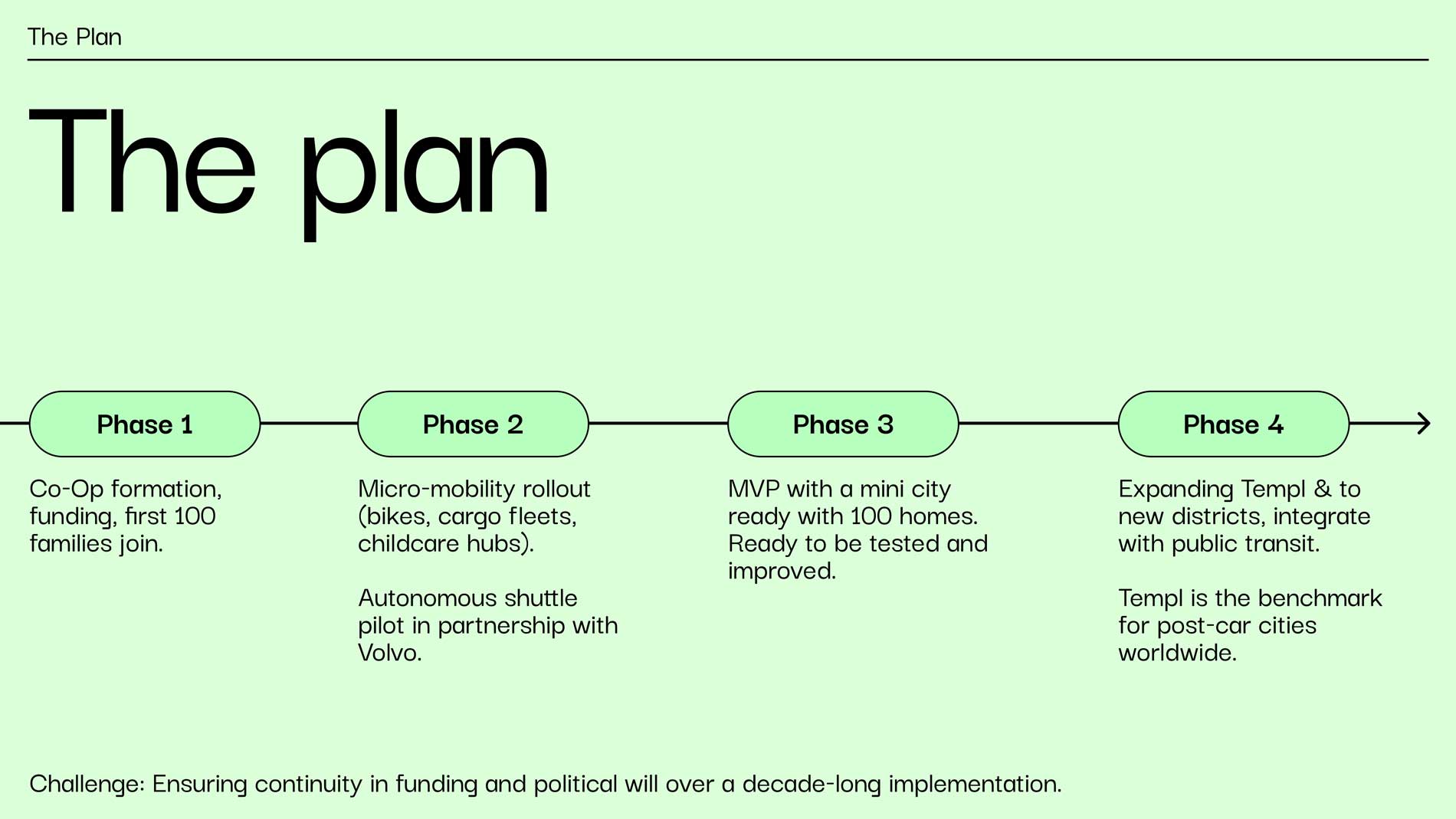
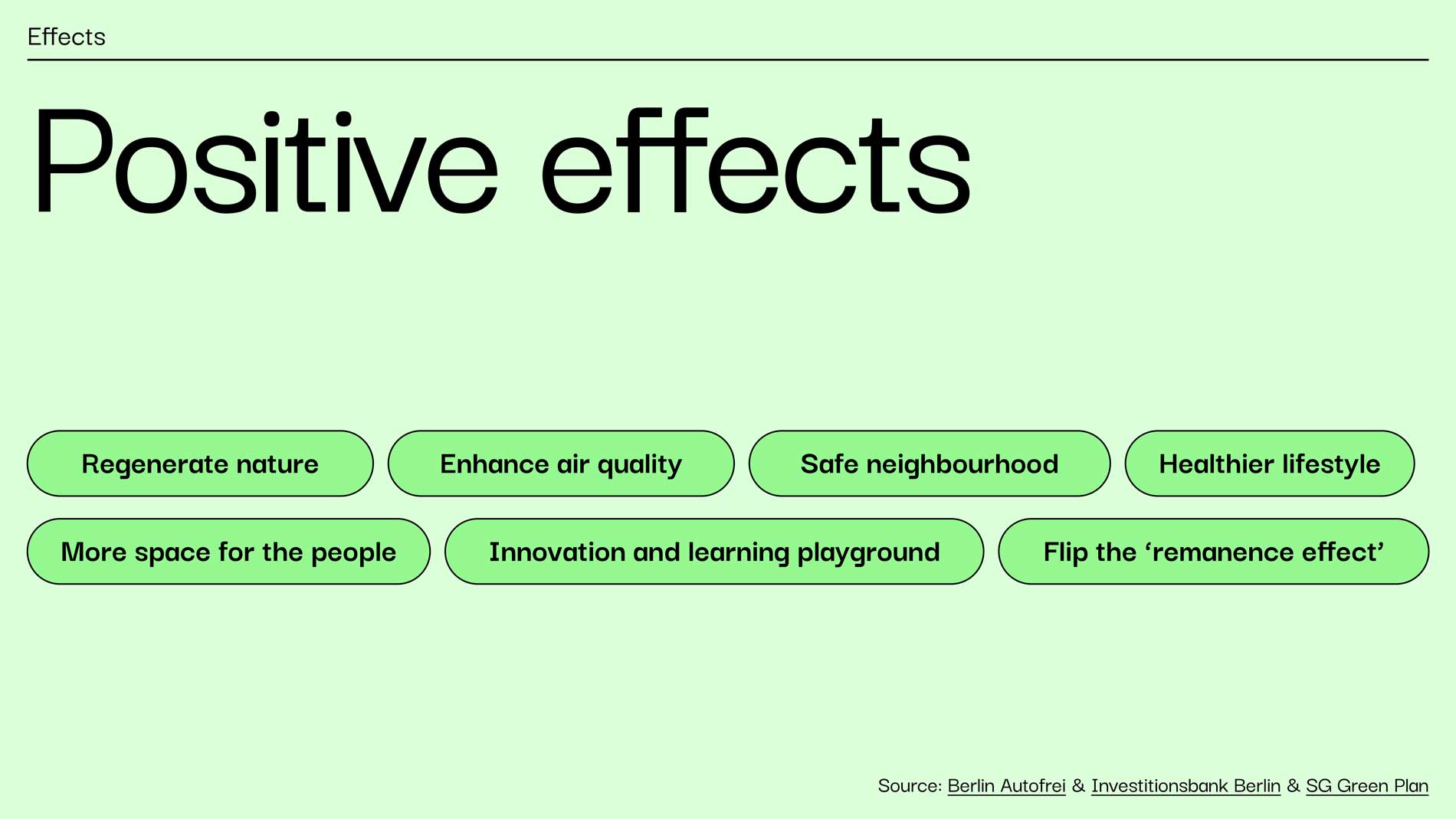
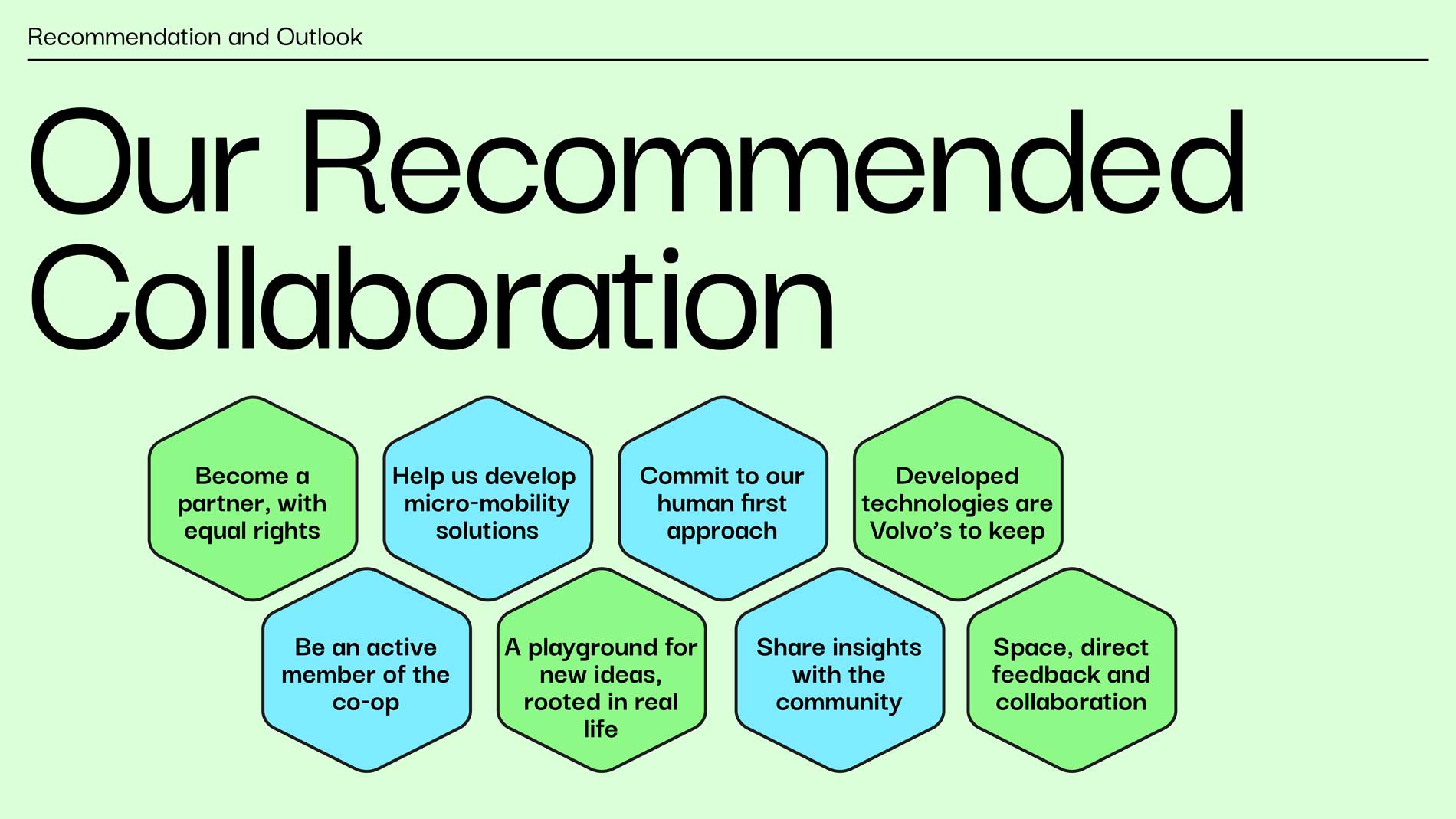
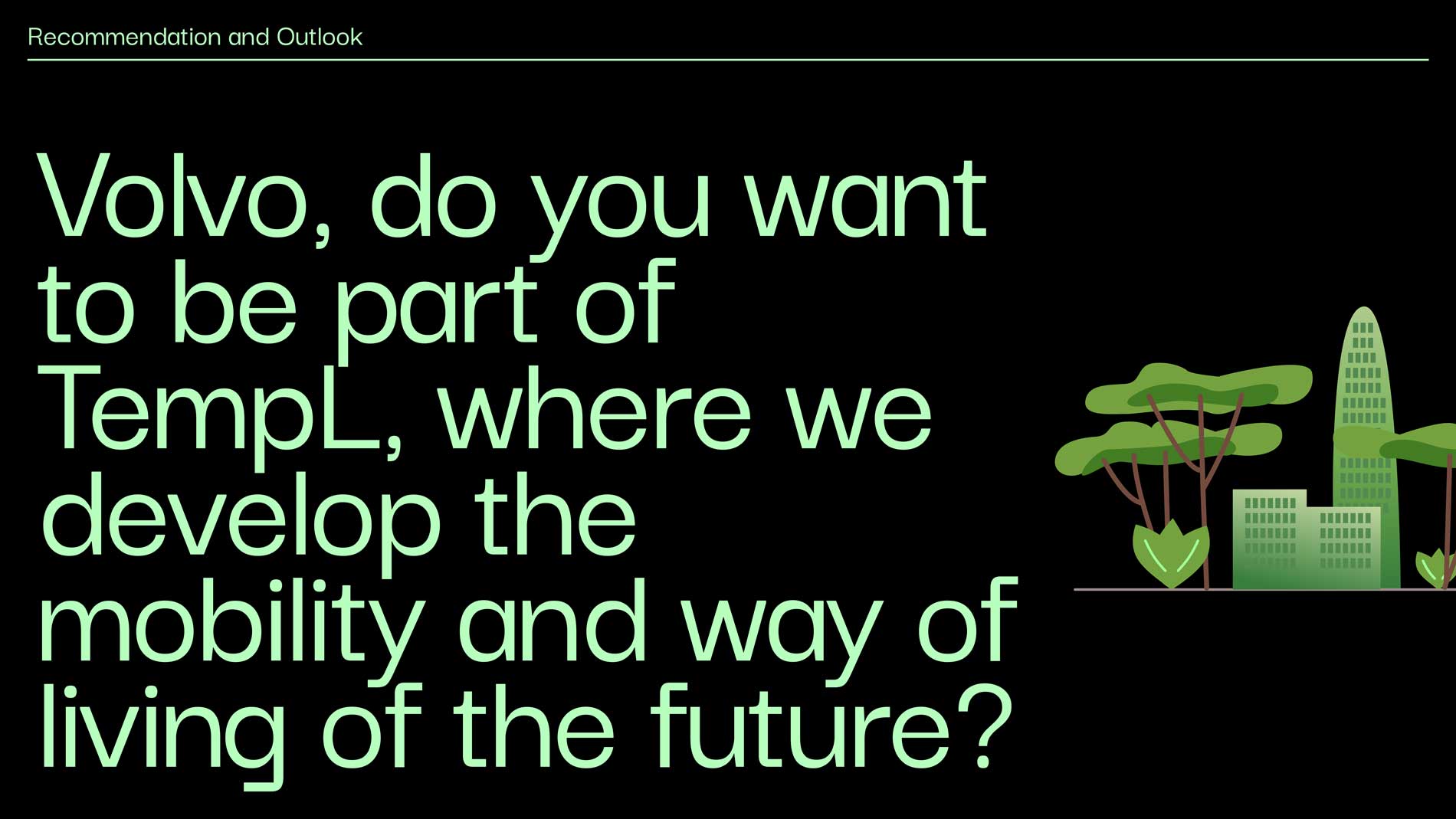
Our recommendation was TempL: a community-owned, car-free neighbourhood model built around micro-mobility, autonomous shuttles in partnership with Volvo, and shared infrastructure. A phased rollout from co-op formation through to a 100-home MVP, positioning Volvo as a founding partner in post-car urban living rather than a car manufacturer defending its market.



Outcome
The project was delivered to Volvo's innovation department as a strategic provocation, evidence that the challenges facing urban families require genuinely new thinking from the mobility sector. Whether Volvo acts on it is their decision. What we demonstrated is that the path to car-free living runs through making it feel like an upgrade.
Research conducted with Volvo as a live client partner as part of an MA in Digital Management at Hyper Island.